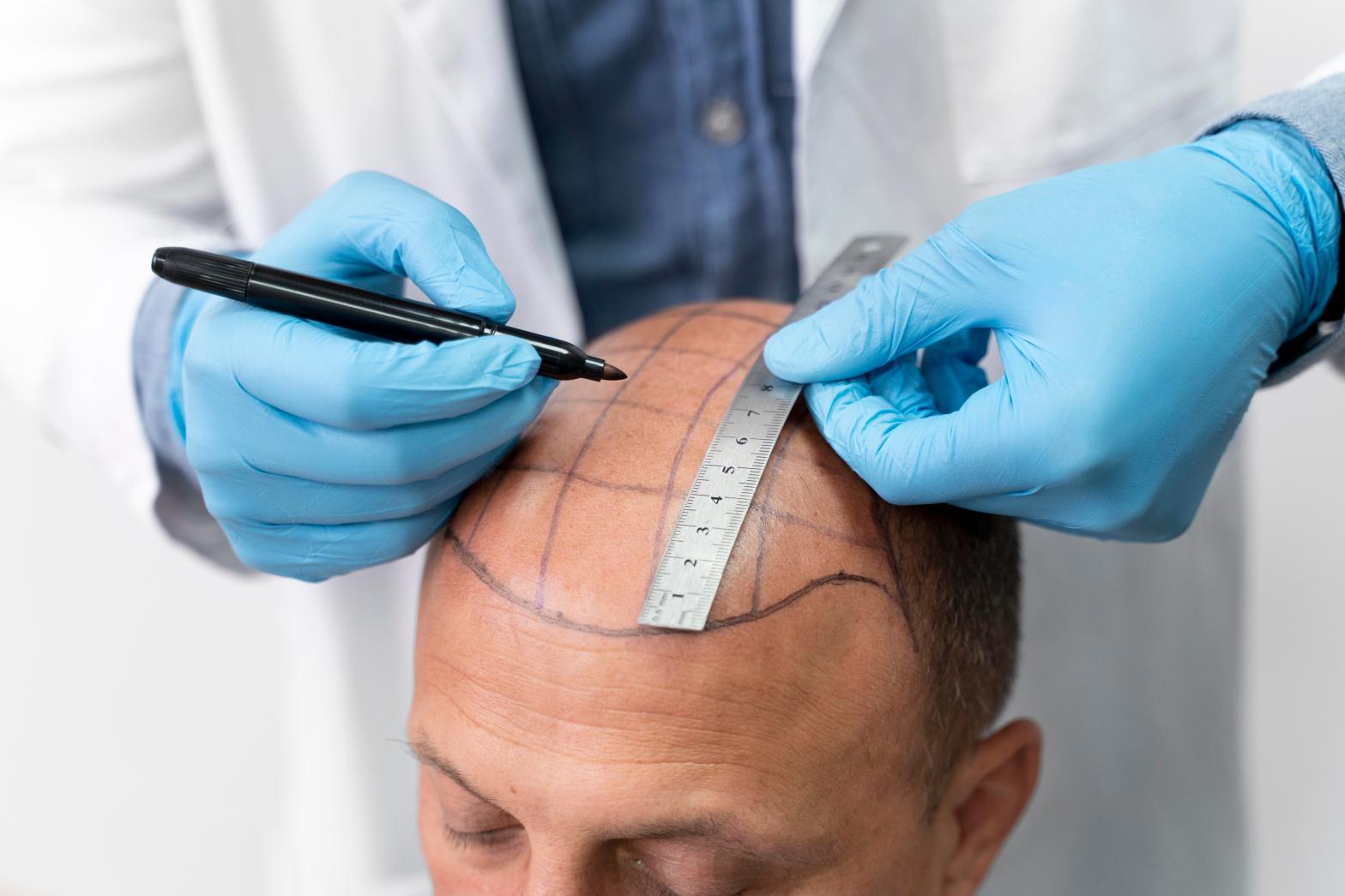
In the fast-growing world of aesthetics and hair restoration, scalp pigmentation training has become a top choice for beauty and medical professionals looking to expand their services. Also known as Scalp Micropigmentation (SMP), this non-invasive technique gives the illusion of fuller hair by replicating hair follicles using specialized pigments.
If you’re a cosmetologist, barber, tattoo artist, or medical technician, this training can be your gateway to a high-demand niche. But what does it really take to become an SMP artist? Let’s uncover the essential elements of scalp pigmentation training and why it’s a smart move for professionals today.
What Is Scalp Pigmentation?
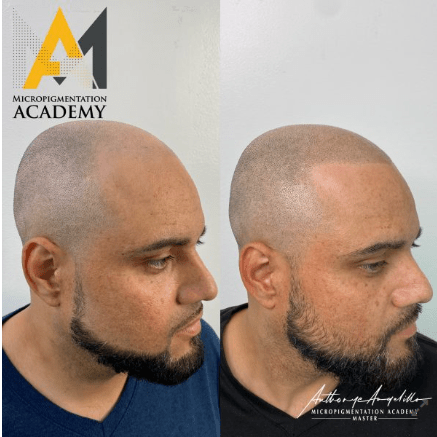
Scalp pigmentation, or Scalp Micropigmentation (SMP), is a cosmetic tattooing procedure where pigment is deposited into the scalp in tiny, layered dots. These dots mimic natural hair follicles, creating the appearance of denser hair, a freshly shaved head, or a restored hairline.
It’s widely used to help individuals with:
- Male and female pattern baldness
- Alopecia
- Thinning hair
- Hair transplant scars
The results can last 4–6 years with minimal touch-ups, offering clients a confidence-boosting, low-maintenance solution to hair loss.
Why Get Trained in Scalp Pigmentation?
The demand for skilled SMP professionals is booming. Hair loss affects over 80 million people in the U.S. alone, creating a huge market for non-surgical treatments like SMP. Here’s why professionals are adding it to their skillset:
- Lucrative Income Potential: SMP sessions typically range from $1,000 to $4,000 per client.
- Flexible Career Path: Work independently, in a med spa, or open your own studio.
- High Client Satisfaction: Instant visual results lead to strong word-of-mouth and repeat business.
However, delivering those results consistently requires proper scalp pigmentation training—not just talent.
What Does Scalp Pigmentation Training Include?
A quality scalp pigmentation training program is more than just technique—it’s about mastering the art, science, and business behind SMP. Here’s what you can expect to learn:
1. Fundamentals of SMP
- Skin anatomy and healing
- Hairline design for different face shapes
- Pigment selection and color theory
2. Hands-On Practice
- Live model applications
- Dot placement, density, and layering techniques
- Needle depth, machine control, and hygiene protocols
3. Client Management
- Consultation skills
- Pre- and post-care instructions
- Managing client expectations
4. Business & Branding
- Pricing your services
- Building a portfolio
- Social media marketing and client acquisition
Whether you’re new to aesthetics or transitioning from another beauty niche, a thorough training program ensures you’re well-equipped to deliver safe and natural-looking results.
Choosing the Right Training Academy
When selecting a scalp pigmentation training course, look for:
- Certified instructors with real-world experience
- Small class sizes for individual attention
- Live models for hands-on training
- Post-training mentorship and support
Some programs also offer beginner and advanced levels, so you can grow at your own pace.
Final Thoughts
Scalp pigmentation isn’t just another beauty trend—it’s a specialized craft that transforms lives. By investing in scalp pigmentation training, you position yourself at the forefront of a booming industry while offering real solutions for hair loss.
If you’re passionate about aesthetics, precision, and helping people feel more confident, SMP training could be your next big career move. Unlock the secrets, sharpen your skills, and step into a high-demand field where your artistry makes a lasting impact.


 Micropigmentation Academy & Clinic